Doctors of Podiatric Medicine
Link examination findings, prescription requirements and footwear fit in one patient-specific view.
Clinical fit intelligence for foot & ankle specialists
OrthopedicPlus connects the patient, movement, suitable footwear and the clinician-selected insole—carrying clinical intent into a system that can be verified without replacing clinical judgement.
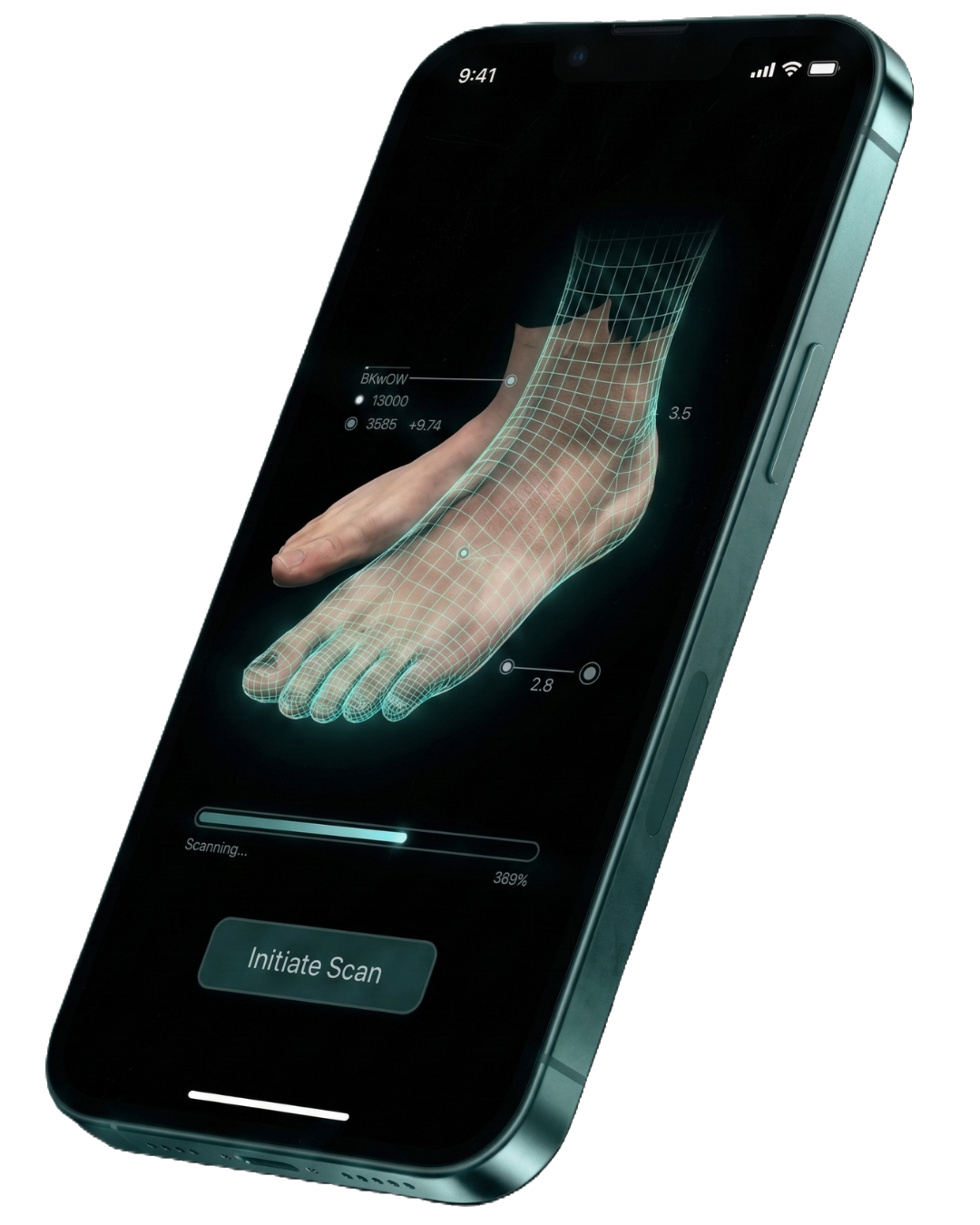
Built for clinical teams
FootSnap supports the transition from assessment or diagnosis to product selection. It does not diagnose, prescribe or override the treating professional.
Link examination findings, prescription requirements and footwear fit in one patient-specific view.
Add bilateral geometry and product-volume evidence to assessment, treatment and footwear selection.
Carry post-treatment or surgical requirements into a compatible insole–footwear system.
What the matching layer adds
The objective is not another isolated scan. It is a clearer, product-specific decision that respects the treatment pathway and the patient’s real-world use.
Connect bilateral foot geometry, observed movement and the clinician’s requirements to the internal dimensions and behaviour of the finished footwear system.
Select suitable footwear first, then evaluate the clinician-selected insole inside it so that depth, width, closure and usable volume support—not compromise—the intended intervention.
Balance therapeutic requirements with comfort, ease of use, appearance and the patient’s daily life to support continued use.
The clinical workflow
FootSnap connects these four elements before and after the clinical decision—first to support footwear selection, then to verify the complete system.
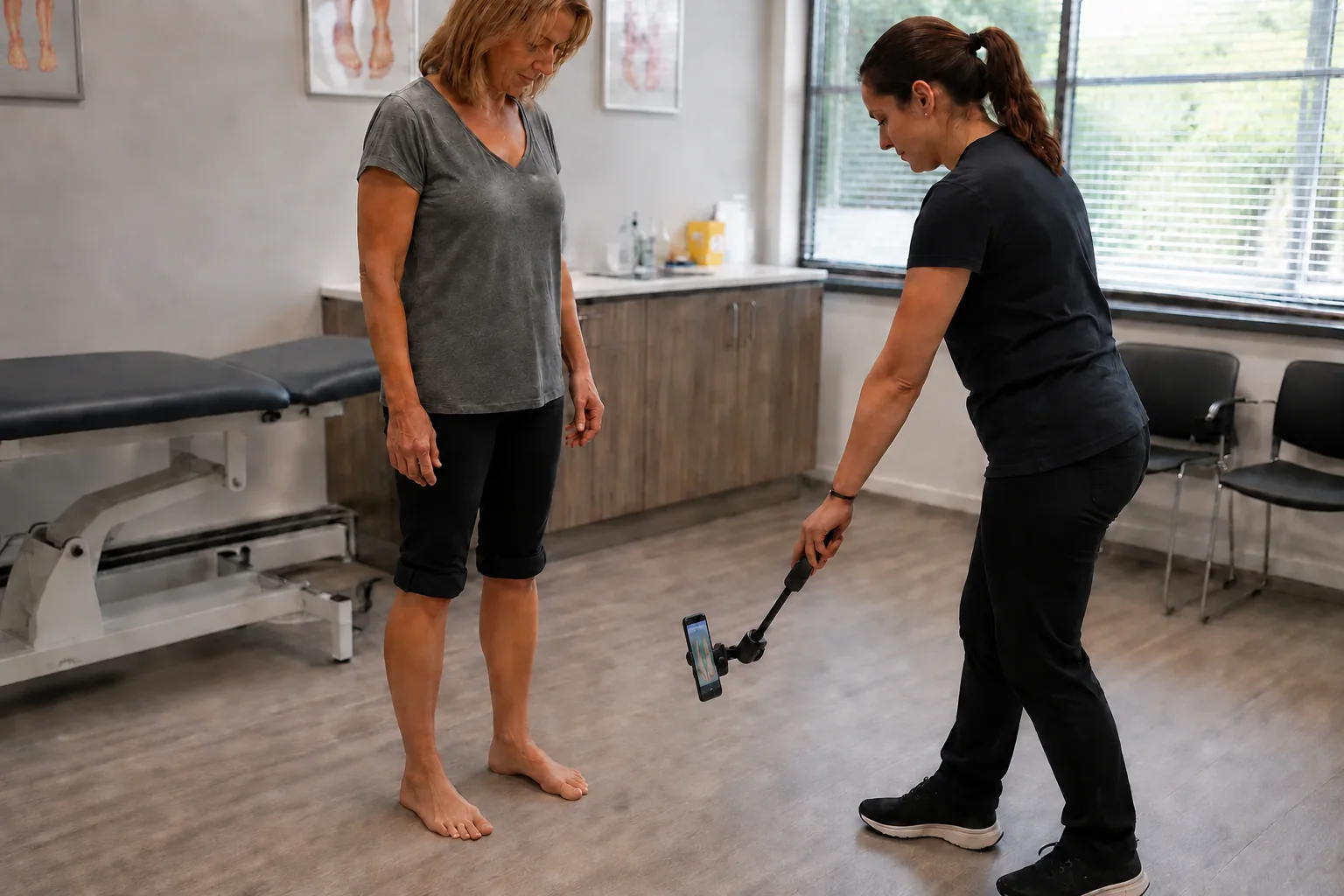 Phase 1 · Patient and movement
Initial assessment & scanning
The patient is checked in and the relevant clinical and use context is captured.
A staff member scans both feet to capture structural and biometric data for review.
Gait, loading, functional asymmetries and use-specific movement requirements are documented.
 Path A
Insoles not required
A staff member or podiatrist reviews the scan and confirms that orthotic intervention is unnecessary.
The fitting engine presents footwear recommendations matched to the patient’s bilateral foot shape, observed movement and intended use.
 Path B
Orthotic insoles required
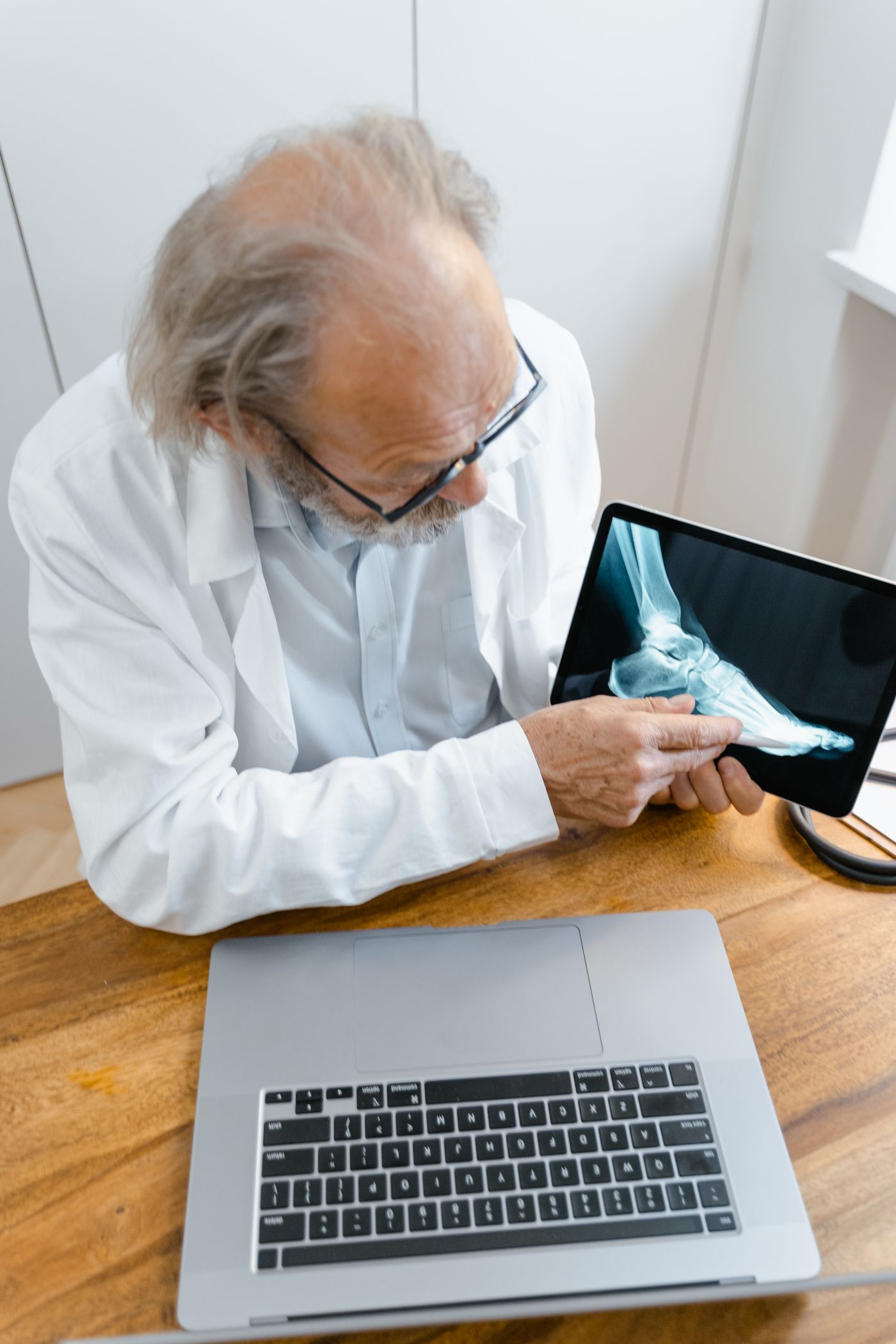
The podiatrist, Doctor of Podiatric Medicine or orthopaedic foot surgeon performs the complete clinical and biomechanical assessment and determines the diagnosis.
The engine identifies footwear compatible with both feet, movement, clinical use and the space required for the future insole.
The clinician selects or designs the insole for the patient, movement and chosen footwear. It may be provided by any eligible insole company.
The patient, movement, selected footwear and insole are assessed together for fit and functional compatibility.

One connected system
The patient and movement requirements guide footwear selection. The insole must then work inside that footwear without compromising usable volume, function or acceptance. FootSnap evaluates the complete relationship.
Bilateral 3D foot shape, volume, asymmetry and the clinical context.
Gait, loading, functional demands and how the patient uses the solution in daily life.
Internal length, width, depth, closure, upper behaviour and usable volume.
Clinician-selected geometry, displacement and support designed for the patient, movement and footwear.
Static morphology can be enriched with gait, pressure, swelling, fatigue and time—so the recommendation reflects how the complete system is actually used.
Independent matching layer
FootSnap does not manufacture footwear or insoles.
Orthotic insoles may be provided by any company. FootSnap supplies the vendor-neutral intelligence that connects the patient, movement requirements, compatible footwear and the clinician-selected insole.
Implementation and product delivery are supported through certified partners. The treating clinician retains responsibility for diagnosis, prescription and clinical review.
 Therapy that reaches daily life
From prescription to real life
Clinical function is essential. So are comfort, ease of use, appearance and confidence. The matching process makes these constraints visible while keeping the clinical objective intact.
Evidence-aware by design
For patients at elevated clinical risk, fitting and footwear decisions remain under appropriately qualified professional supervision. Where pressure reduction is the objective, it should be verified dynamically—not assumed from appearance or labelled size.
OrthopedicPlus × FootSnap
Build a case that connects the patient, movement, footwear and insoles to measurable fit, function and acceptance outcomes.
Discuss a 30-minute pilot conversation